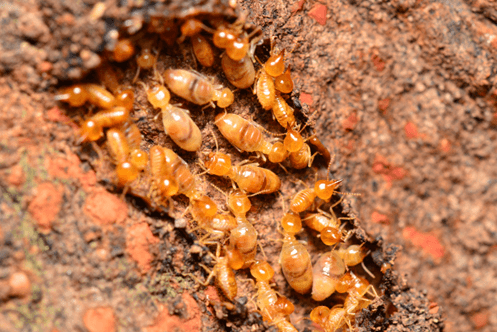


Termite control in Magnolia usually becomes urgent the moment a homeowner sees a mud tube, soft wood, shed wings, or damage that looks a little too suspicious. Termites are quiet. They do not make the kind of mess that grabs your attention right away. By the time you notice them, the colony may have been working behind walls, under trim, or near the foundation for a while.
So the common question is fair: How do you know when to call, and what should a good termite company actually do?
Magnolia is the kind of place where termite pressure should be taken seriously. Warm weather, humidity, tree cover, mulch, older stumps, and regular soil moisture can all create comfortable conditions for termites. That does not mean every home has an active infestation. It does mean a professional inspection is worth it when something looks off.
The signs homeowners usually notice first
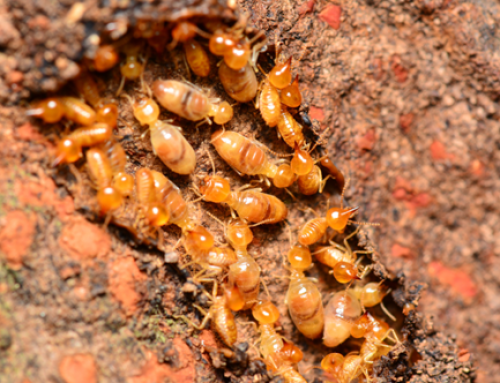
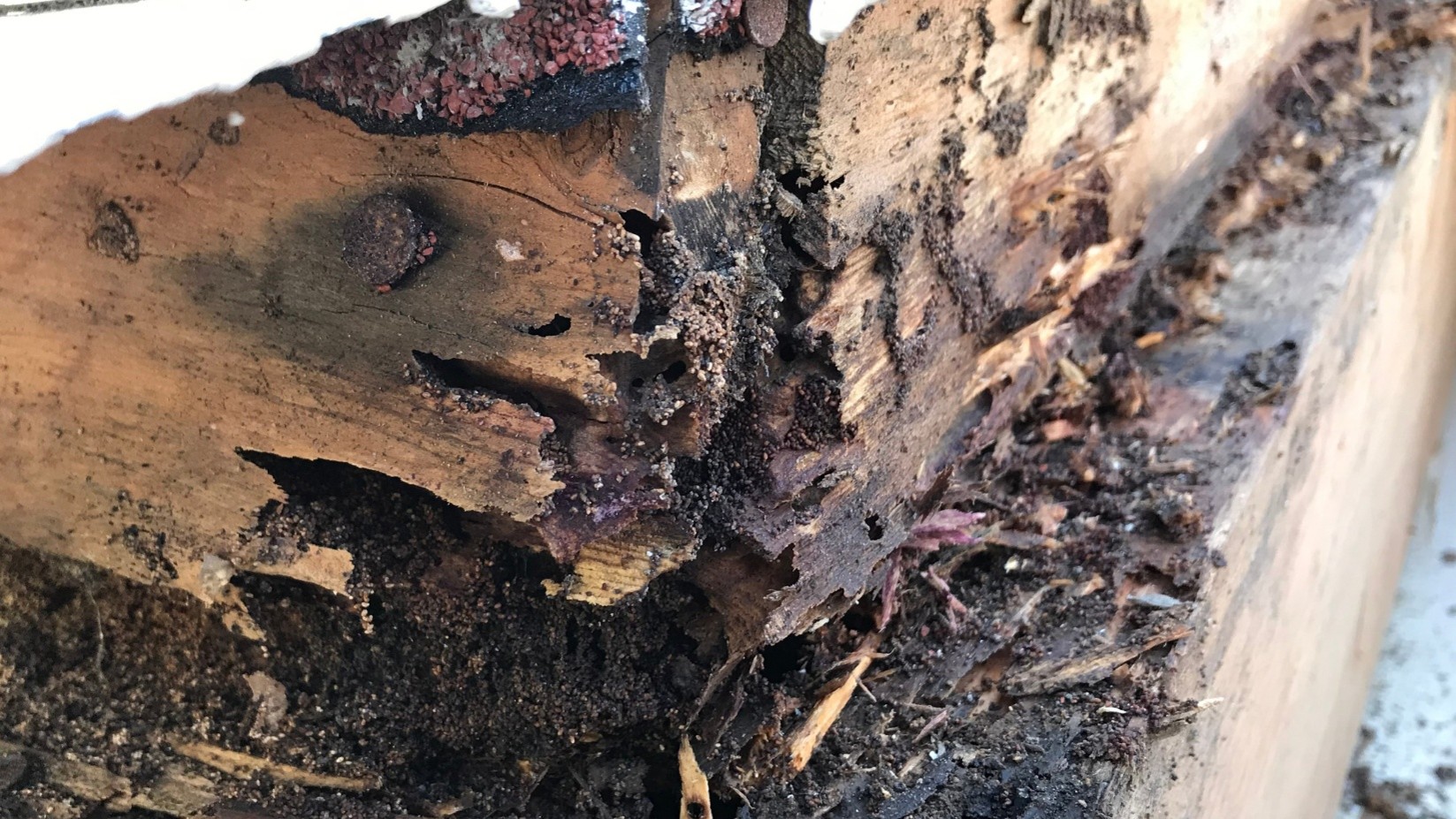
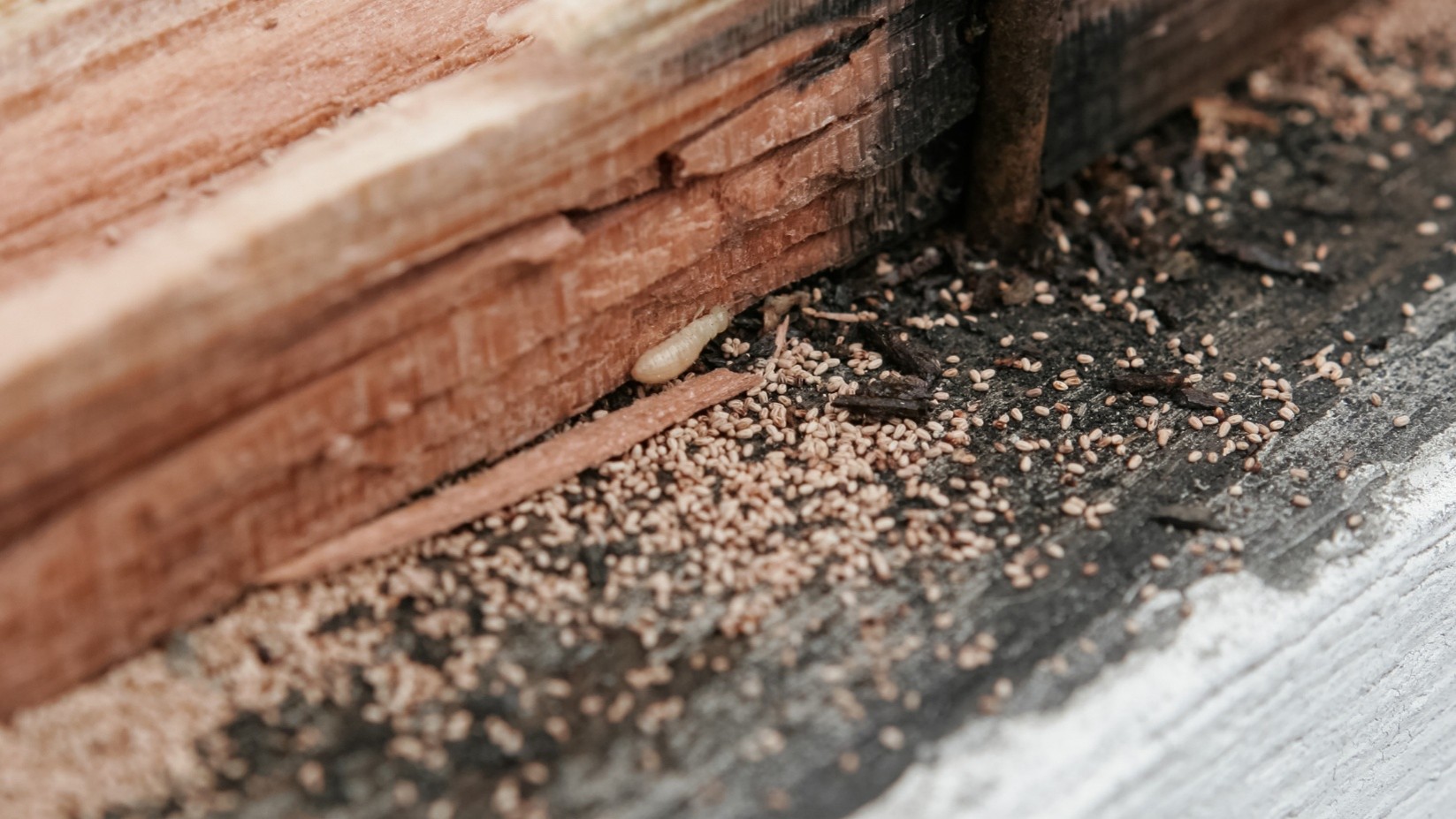
Termite clues can be subtle. Mud tubes along the slab, garage, crawl space, or exterior wall are one of the clearer signs. Subterranean termites use those tubes to travel while staying protected from dry air. You might also see small piles of wings near windows or doors after swarmers appear. Sometimes wood sounds hollow when tapped, paint bubbles for no obvious reason, or baseboards start to look blistered.
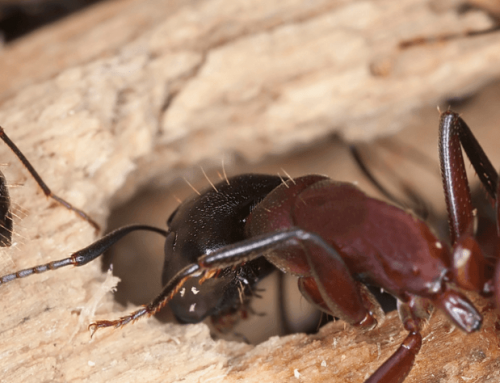
The tricky part is that termite damage can mimic moisture damage. A door frame may look swollen because of humidity, a leak, or insects. That is why guessing gets risky. A trained technician offering professional termite control in Magnolia, TX should be able to separate signs of termites from rot, carpenter ants, and other wood issues.
Do not feel embarrassed if you are unsure. Most homeowners are not supposed to know the difference from one quick look. The smart move is to catch the problem early enough that treatment is simpler and repairs stay smaller.
Why termite control in Magnolia should start with inspection
A termite visit should not begin with someone promising a treatment before they inspect. The inspection is where the real plan starts. The technician needs to look at the foundation, exterior walls, expansion joints, plumbing penetrations, garage edges, wooden structures, moisture areas, and any spot where soil and wood get too close.
Inside, they may check baseboards, window areas, bathrooms, utility rooms, attic access points, and places where you have noticed changes. The goal is not just to confirm termites. It is to understand how they may be entering and how far the activity appears to reach.
That inspection should be explained in normal language. If there is active activity, you should know where it was found. If conditions are attractive to termites but no active colony is seen, that should be clear too. Good termite work is partly treatment and partly education. You should leave the conversation knowing what matters and what does not.
What treatment options may be recommended?
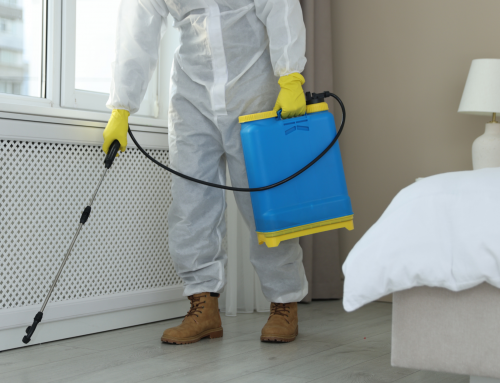
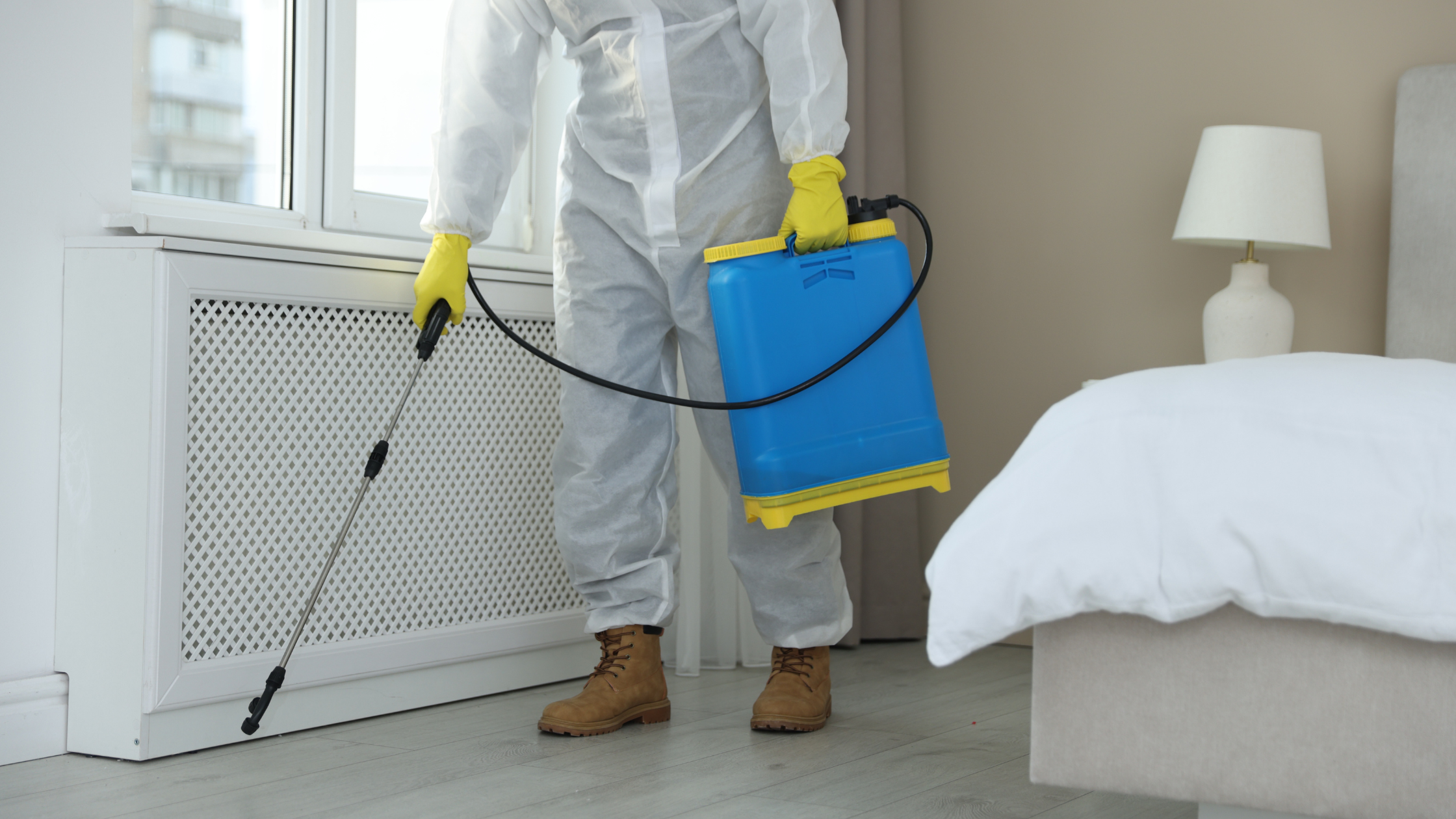
The right treatment depends on the home and the level of activity. Some properties may need a liquid soil treatment around the structure to create a treated zone. Others may use bait stations that target termite colonies over time. In certain cases, direct treatment to active areas may be part of the plan.
A careful company will explain why one method fits your situation. Soil type, foundation style, access, moisture, and colony behavior can all affect the recommendation. There is no useful reason to make this sound mysterious. You deserve to understand what is being done around your home.
Ask about timing too. Some termite treatments work quickly in active areas, while colony-level control can take time. That does not mean the service is failing. It means termites have to interact with the treatment and carry its effects through the colony. A provider such as a Magnolia termite control company should set realistic expectations instead of selling instant certainty.
What makes termites different from regular pests?
Termites are not like ants marching across a counter or wasps building a nest under the eave. They can stay hidden while doing structural damage. They feed on cellulose, which means wood, paper-backed materials, and certain building components can be at risk when conditions allow access.
That hidden behavior is why prevention matters so much. Keeping soil away from siding, reducing moisture near the foundation, moving firewood away from the house, trimming vegetation, fixing leaks, and avoiding heavy mulch against exterior walls can all help. None of those steps replaces treatment when termites are active, but they make your home less inviting.
This is where services provided by a Magnolia TX termite control company work should feel more like home protection than a one-time errand. The technician is not only dealing with today’s visible evidence. They are helping reduce the odds of termites finding the same easy path again.
Questions to ask before hiring a company
Ask whether the company is licensed for termite work in Texas. Ask what signs they found, what treatment they recommend, and why. Ask whether the service includes monitoring, follow-up inspections, or a warranty. If a company avoids those questions or pressures you to decide before explaining the basics, slow down.
You can also ask how they handle homes with pets, children, wells, gardens, or special access issues. A good termite plan should fit the property without making you feel like you have to rearrange your entire life. Treatment may require preparation, but the company should be clear about what is actually necessary.
Look for steady communication. Termite work can be stressful because the damage is often hidden. A reliable team of Magnolia termite exterminators should make the process feel less cloudy, not more.
When is the right time to schedule service?
If you see mud tubes, wings, damaged wood, or repeated swarmers, schedule an inspection soon. Do not scrape everything away before the technician sees it if you can avoid it. Photos help too, especially if the evidence is in a spot that may change or get cleaned up.
Even without obvious activity, an inspection can be smart if you are buying a home, planning renovations, noticing moisture problems, or have never had the property checked. Magnolia’s climate gives termites plenty of opportunities, and early information is easier to deal with than late surprises.
For homeowners comparing termite control in Magnolia, the best fit is a company that inspects carefully, explains clearly, and recommends treatment based on what your home actually needs. If you need a crew familiar with local conditions, Magnolia TX termite exterminators can help turn a vague concern into a clear next step. Termites may be quiet, but the plan to handle them should not feel vague.
FAQs
Is termite control in Magnolia only needed when damage is visible?
Not always. Visible damage is a clear reason to call, but mud tubes, wings, moisture problems, and a home purchase can also be good reasons to schedule an inspection.
Do termites go away on their own?
Usually not. If termites have food, moisture, and access, they tend to keep working. Waiting often gives them more time to spread.
Can treatment prevent future termite problems?
Sometimes it can lower the risk a lot, especially when paired with moisture fixes and regular inspections. No company can promise termites will never show up again, but a good plan makes your home much harder for them to use.
Need service? Reach out to us online at Pest Stoppers to fill out a form or Call us at 832-593-0303.
Local, reliable, and ready to help.
We deal with spiders. We deal with bed bugs. We deal with the pests that don’t belong in your home.
We show up. We do the job right. And we don’t waste your time or leave a mess behind.

No guesswork. No runaround. Just real solutions from people who know Cypress and know pests.
We’ll be there.
Follow us on Facebook to see how we protect Cypress homes, one visit at a time.