

A wing pile on a windowsill is a reason to investigate, but it does not tell us where termites entered, what they reached, or which treatment fits the building. We begin with evidence. A useful inspection separates confirmed activity from conditions that merely make activity possible. It documents the accessible locations examined, the signs found, the places we could not see, and the next decision for the property owner. That is how we approach termite control in Cypress: as a diagnosis and a plan, rather than a promise based on one photograph.
Sort the Evidence Before Discussing a Product
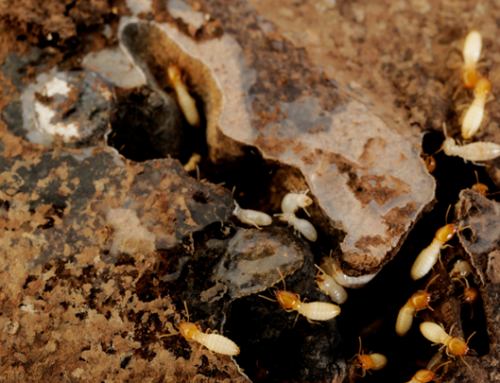
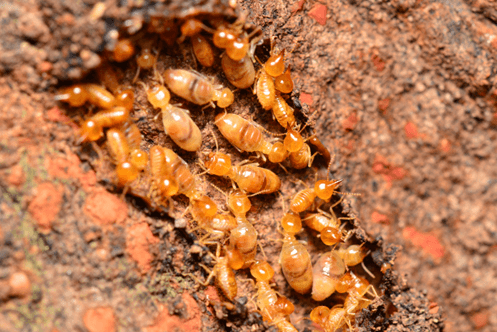
Termite wings, mud tubes, damaged wood, and live insects carry different information. The EPA’s termite identification guide notes that people often first discover termites through a swarm or damage during construction; it also explains why flying ants may be mistaken for termite swarmers. Wings of roughly equal length and straight antennae can suggest termites, but a sample or clear photo is more useful than a hurried guess. A discarded wing alone does not locate a colony or prove that termites are currently feeding in the wall.
We would want to know where the evidence appeared, when it appeared, and whether the same signs recur. A cluster inside near a closed window suggests a different investigation from insects attracted to an exterior porch light. If you can, save a few specimens in a small container, photograph the location before cleaning it, and note the date. You do not need to pry open a wall to give us a useful starting point.
Mud tubes on a foundation or crawlspace support can point to subterranean termite travel. A tube needs professional assessment because appearances alone cannot establish whether it is active, abandoned, or connected to other concealed routes. Hollow sounding trim or soft wood may have several causes, including moisture damage. We treat an observation as a clue until inspection gives it context. Avoid breaking apart suspected tubes or applying a household spray before the assessment; either can make the original pattern harder to interpret.
Map the Building, Not Just the Spot With Wings
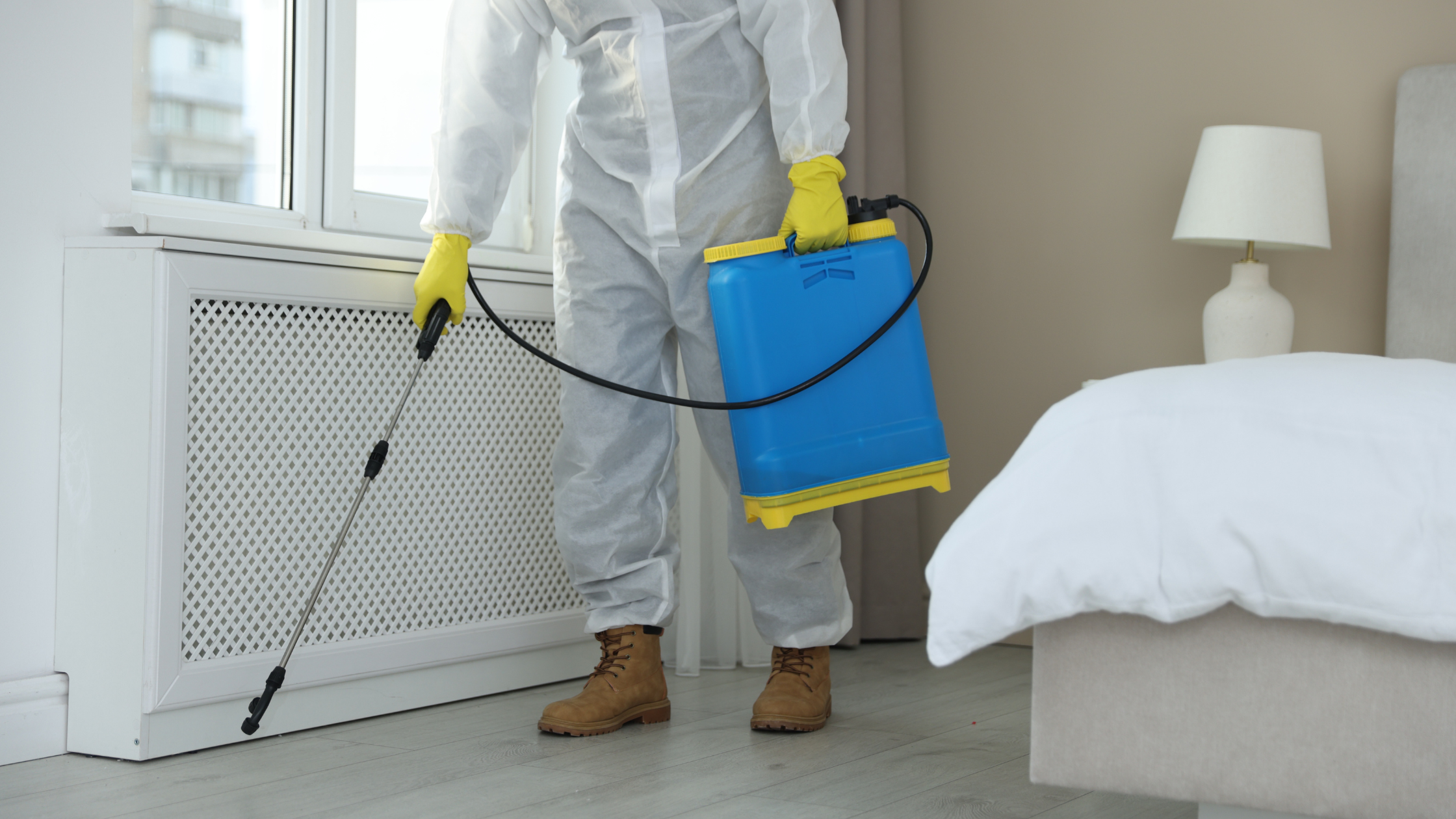
Imagine a Cypress homeowner finding a small wing pile by the dining room window after a storm. The obvious question is whether that window needs treatment. The better first question is where an inspection can establish activity and access. We would discuss accessible exterior foundation edges, utility penetrations, attached wood, garage and crawlspace conditions where applicable, and visible interior areas that relate to the reported sighting. The building’s construction and access determine what can actually be inspected. A finished wall or blocked crawlspace may hide evidence, so the record should say so plainly.
Moisture and wood contact matter to prevention even if they do not prove an infestation. The EPA recommends correcting leaks, maintaining drainage and gutters, and keeping wood debris away from the home. We can point out visible conditions for an owner to address, while a plumber, drainage contractor, or builder handles work outside pest control. An inspection should not substitute for a structural evaluation if flooring sags or a member appears unsound.
The owner should be able to distinguish three statements in the findings: what we observed, what the pattern suggests, and what requires more access or another specialist. For example, a visible tube is an observation; subterranean activity is an interpretation to verify; damage concealed behind finished materials remains unknown until appropriately investigated. That distinction makes it easier to understand the proposed scope and prevents a vague label from becoming a costly assumption.

Ask What the Treatment Is Intended to Do
Different termite situations can call for different products, placement methods, and follow-up schedules. The EPA describes soil applied termiticides and bait systems among approved approaches, but their suitability depends on the species, construction, label directions, access, and professional evaluation. We should explain the proposed method in ordinary language: what area is being addressed, what the treatment is meant to protect, what preparation is needed, and how results will be checked. A spot treatment for a visible area should never be described as whole-building protection unless the actual scope supports that claim.
If the property has a slab, patio, attached garage, or inaccessible perimeter, ask how those features affect application and coverage. If there are wells, drains, or other sensitive features, identify them before any proposed application. The product label governs use, precautions, and reentry, and a property owner can ask to review it. We do not recommend a chemical, concentration, or do-it-yourself application without inspecting the property. Our broader termite work covers residential and commercial settings, but a written recommendation still needs to fit the specific structure.
Cost is easier to assess when the scope is clear. Ask whether the price covers inspection, treatment, monitoring, retreatment conditions, and any repair or access work. A warranty, if offered, has its own coverage period and exclusions; read it before treating it as a guarantee that no termite will ever appear. If another company has already treated the property, bring the invoice and treatment diagram. That history may change what should be inspected and how a new recommendation is framed.
If you receive more than one proposal, compare the maps and findings side by side. One may define a perimeter treatment while another addresses a localized area. The difference may be justified, but it should be visible in the written scope. Ask what observation would cause the technician to revise the plan during the visit and whether that change requires your approval.
Turn an Inspection Into a Decision You Can Make
We can help a homeowner prepare a compact record: photos, the location of each sign, dates, prior termite paperwork, a rough floor plan, and known moisture or construction changes. A skilled inspection can then test the most relevant hypotheses first. The outcome may be a documented treatment proposal, a recommendation to monitor or obtain access, or a finding that another pest or material defect explains the symptom. A useful process leaves room for all three outcomes.
An owner comparing providers should ask for an explanation of the evidence, the areas included, the method’s limits, preparation and reentry instructions, and the follow-up arrangement. For additional detail on how we handle property assessments, our inspection approach describes checks around the home and perimeter. That helps you assess the work you are buying rather than comparing only a headline price.
Once the scope is understood, the next step is specific: share the location and photographs of the evidence when requesting an inspection, then ask for the findings and proposed protection in writing. We can discuss whether the evidence calls for immediate treatment, more access, or continued observation. The goal is a decision supported by what the building actually reveals.
Frequently Asked Questions
Are Discarded Wings Enough to Confirm an Active Termite Colony?
No. They justify investigation, but a wing pile does not reveal the point of entry, the extent of activity, or whether the insects were termites rather than ants. Keep a sample or photograph and let an inspector connect it to other evidence.
Should We Spray a Suspected Mud Tube Before the Inspection?
We would leave the suspected evidence intact. A household spray may affect the visible insects without addressing the source and can obscure the pattern an inspector needs to examine. Keep people away from damaged or unstable areas and seek a professional assessment.
Can an Inspection Confirm That Every Hidden Wall Is Termite Free?
No visual inspection can establish that for inaccessible spaces. We can document the visible and accessible areas examined and explain where limited access prevents a firm conclusion. If structural damage is suspected, a qualified building professional should assess the affected materials.

Need service? Reach out to us online at Pest Stoppers to fill out a form or Call us at 832-593-0303.
Local, reliable, and ready to help. We deal with spiders. We deal with bed bugs. We deal with the pests that don’t belong in your home. We show up. We do the job right. And we don’t waste your time or leave a mess behind.
No guesswork. No runaround. Just real solutions from people who know Cypress and know pests. We’ll be there.
Follow us on Facebook to see how we protect Cypress homes, one visit at a time.