

Two termite estimates can look similar at the bottom line while describing very different work. For a Magnolia homeowner, the key is to compare the evidence, treated areas, method, exclusions, and follow-up before deciding. We would expect a proposal from a Magnolia termite control company to explain the building it addresses and the protection it is intended to provide. A label such as “termite treatment” is too broad to tell you what you are purchasing.
Start With the Findings, Not the Price
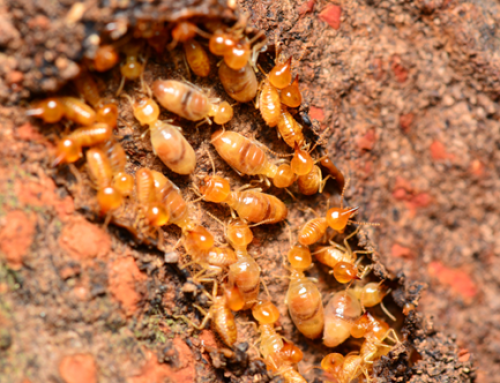
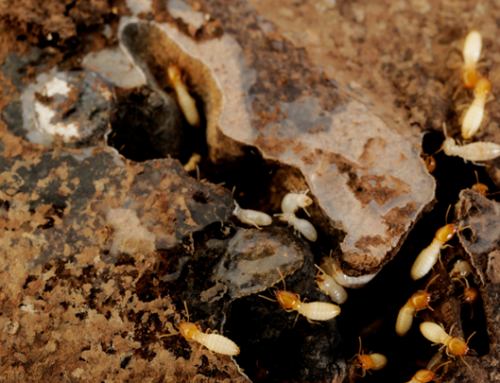
Ask each company what evidence was observed and where. A live termite sample, a visible mud tube, damaged wood, or a history of prior treatment should appear in the inspection conversation. Also ask which areas were accessible. An unfinished garage wall may be visible while an enclosed porch foundation is not. If the proposals assume different access or different termite types, a price comparison will mislead you until those differences are reconciled.
A simple comparison sheet can list five items for each estimate: evidence and location; treatment boundary; product or system; monitoring or follow-up; and owner responsibilities. We would want a customer to see whether a quote covers only a known activity point, the full accessible perimeter, or a different defined area. A treatment diagram is especially useful for irregular foundations, attached slabs, and exterior additions. “Whole house” needs an explanation when portions of the structure cannot be reached.
Ask whether the inspection identified active insects, a suspected tube, old damage, or only risk conditions. These are not interchangeable findings. If a technician could not enter a crawlspace, the estimate should state the assumption made about that area. If the building has a new addition or a prior repair, mention it before the figure is finalized. A well-defined quote can still carry uncertainty, but it should make uncertainty visible instead of hiding it behind a package name.
Suppose a Magnolia owner has a detached workshop and an attached patio. One estimate may address only the residence; another may include the workshop and access around the patio. Neither figure is interpretable until the owner knows which structures are included. Ask whether the technician examined both, whether the proposal prices both, and what additional inspection would be necessary if access was limited. That conversation is more valuable than an unexplained discount.
Understand How the Proposed Method Works
The EPA’s consumer guidance on termite treatments describes liquid soil treatments and bait systems as different approaches. The right recommendation depends on inspection findings, construction, access, and the applicable product label. A liquid treatment proposal should identify the areas to be treated and any drilling or access needs. A bait proposal should identify station placement, how often stations are checked, and what happens if activity is detected. We would not assume a particular product or method is right for every Magnolia property.
Ask the company whether the method is intended to prevent entry, address an existing infestation, or both. Ask whether interior evidence needs a separate response. Termite baits may depend on discovery and consumption by termites; a soil treatment has its own application boundaries. The differences should be explained without promises of an instant or permanent result. When prior treatment exists, bring its paperwork so the new proposal can account for where and when product was applied.
The product label matters because it sets use directions and precautions. If children, pets, wells, drainage features, or unusual occupancy affect the property, tell the company before approving the work. Ask who is responsible for moving stored materials, providing access, and following reentry instructions. Pest Stoppers describes both residential and commercial termite protection; the particular treatment still depends on the property, not on a general description of the offering.
Timing matters as much as the initial visit. Ask when the work could begin, how long preparation might take, and when the first follow-up is due. A monitoring-based approach needs a clear schedule and a plan for missed or obstructed station checks. A treatment requiring access around the building may need landscaping or stored items moved first. If one estimate includes those coordination tasks and another expects the owner to handle them, the prices do not represent the same amount of work.

Separate Service Coverage From Structural Repair
Pest treatment and building repair are different scopes. A pest professional may document visible signs of damaged trim or framing, but a qualified builder or structural specialist should evaluate stability and prescribe repairs. If someone proposes replacing material, ask whether that work is included in the quote or requires a separate contractor. Ask, too, whether repairs should wait until the termite assessment and treatment sequence is clear. Covering damaged wood before the source is addressed can make future evidence harder to observe.
Proposals also differ in what happens after the first visit. Is there an inspection or monitoring schedule? Is retreatment included under specified conditions? What does the agreement exclude: separate structures, inaccessible spaces, water damage, or damage repair? Read the written terms. A warranty may describe a service obligation rather than an unlimited promise against future activity or repair costs. If an estimate uses broad assurances without a written boundary, request clarification before comparing it with another bid.
Be specific about the contract start date and how long the proposed protection or service arrangement runs. Ask whether renewal is automatic, whether visits carry an added fee, and how the company wants new evidence reported. A future owner may need treatment documents when selling the property. Keeping the inspection and application record in one place saves everyone from guessing later about where work occurred.
For an owner who already received general pest visits, clarify whether those visits included termite-specific inspection or treatment. Routine pest control is not a substitute for a defined termite program. We offer property inspections as a separate way to examine conditions and signs; the service requested should match the concern you actually have.
Make the Call Easier to Complete
When contacting a provider, include the address, type of property, where signs were found, whether anyone has treated it before, and any access or timing constraints. Photos are useful, but avoid representing them as a complete diagnosis. If you have an existing proposal, ask the second provider to explain differences in scope instead of simply asking it to match the price. That gives us a more useful starting point for a real comparison.
We would look for a final recommendation that answers four questions: what was found; what could not be checked; what will be done and where; and what you should expect afterward. An estimate should make it possible to say yes with a clear understanding of both the cost and the limits of the work. If a material condition suggests a different kind of specialist, we should say so. A homeowner can then make a decision on defined work, rather than on fear of termites alone.
Frequently Asked Questions
Is the Lowest Termite Quote Usually the Best Value?
Only if the work being priced is comparable. Check which structures, treatment areas, preparation, monitoring, and follow-up are included. A lower figure may describe a narrower scope; a higher one may include work you do not need.
Do We Need to Know the Exact Termite Species Before Asking for an Estimate?
No. Save an insect sample or clear photograph if available and describe where you saw it. We need to evaluate the evidence and property before settling on a method. A quote based on an uncertain identification should state that uncertainty.
Does Termite Treatment Include Repairing Damaged Wood?
Do not assume so. The written scope should say what treatment includes; a qualified building professional should assess structural safety and repairs. Request a separate repair plan where needed and coordinate its timing with the pest work.

Need service? Reach out to us online at Pest Stoppers to fill out a form or Call us at 832-593-0303.
Local, reliable, and ready to help. We deal with spiders. We deal with bed bugs. We deal with the pests that don’t belong in your home. We show up. We do the job right. And we don’t waste your time or leave a mess behind.
No guesswork. No runaround. Just real solutions from a respected Magnolia termite control company. We’ll be there. Follow us on Facebook to see how we protect Cypress homes, one visit at a time.